Whole Bean Coffee vs. Ground Coffee
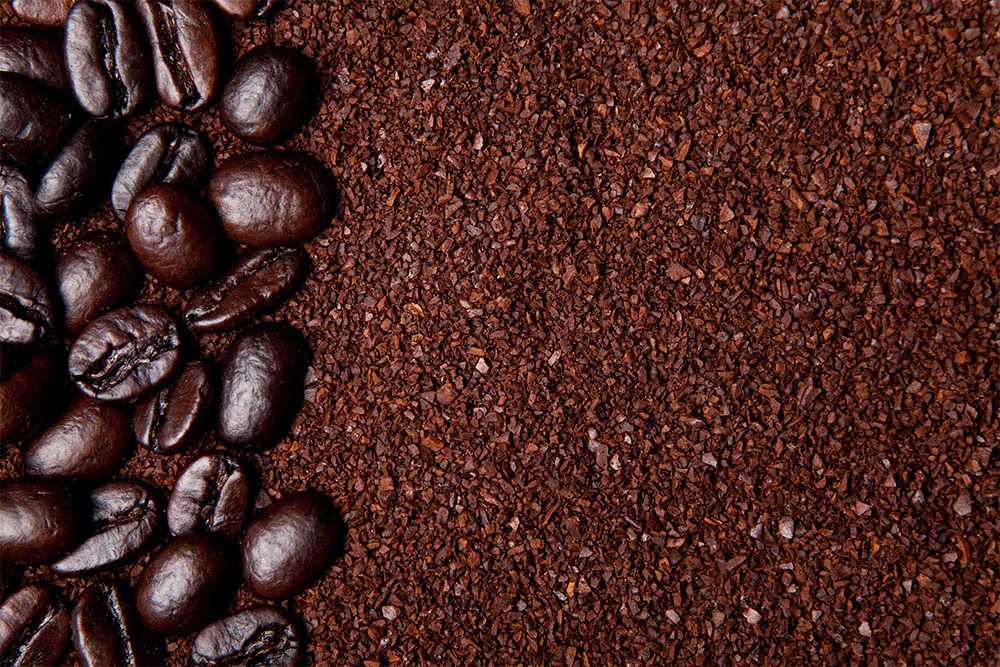
When people shop for coffee, one of the biggest choices they face is whether to buy whole bean coffee or pre-ground coffee. Whole bean coffee is often seen as the fresher option because the beans stay sealed until they are ground, which helps preserve more of their natural oils, aroma, and flavor. That extra freshness can make a real difference in the final cup, especially for people who care about stronger taste and richer detail. Whole beans also give coffee drinkers more control over how fine or coarse the grind should be, which matters because different brewing methods call for different grind sizes. A French press, for example, works better with a coarse grind, while espresso needs something much finer. The downside is that whole bean coffee takes more time, requires a grinder, and may feel a little less convenient for someone who just wants to brew coffee quickly without extra steps.
Ground coffee, on the other hand, is popular because it's simple, accessible, and easy to use right away. It saves time in the morning because there is no need to measure beans and grind them before brewing. For busy people, that convenience can be a major advantage. Ground coffee is also often a little cheaper and easier to find in stores, which makes it appealing for everyday use. However, once coffee is ground, it tends to lose freshness more quickly because more of its surface is exposed to air. That can lead to a weaker aroma and a flatter taste over time. Pre-ground coffee also limits control, since the grind size is already chosen for you and may not be ideal for every brewing method. In the end, whole bean coffee is usually the better choice for freshness, flavor, and flexibility, while ground coffee is often chosen for convenience, affordability, and ease.